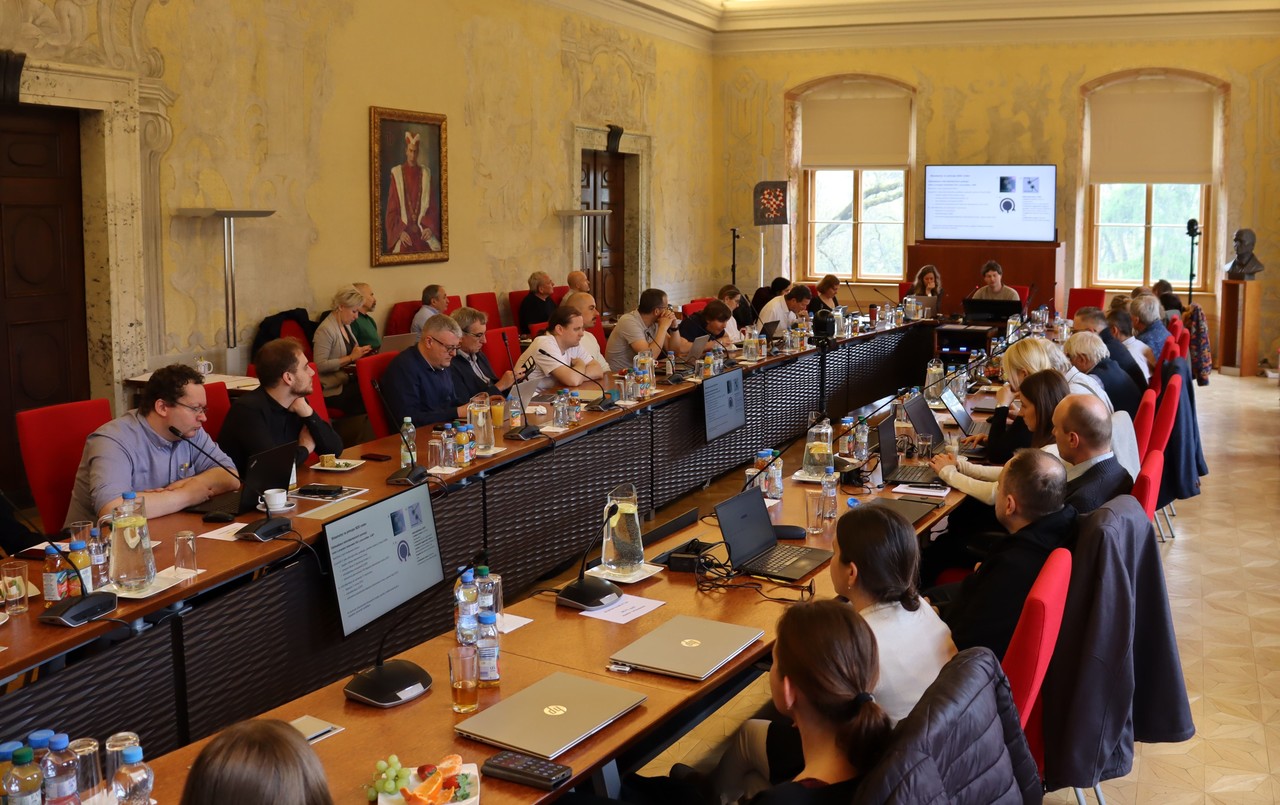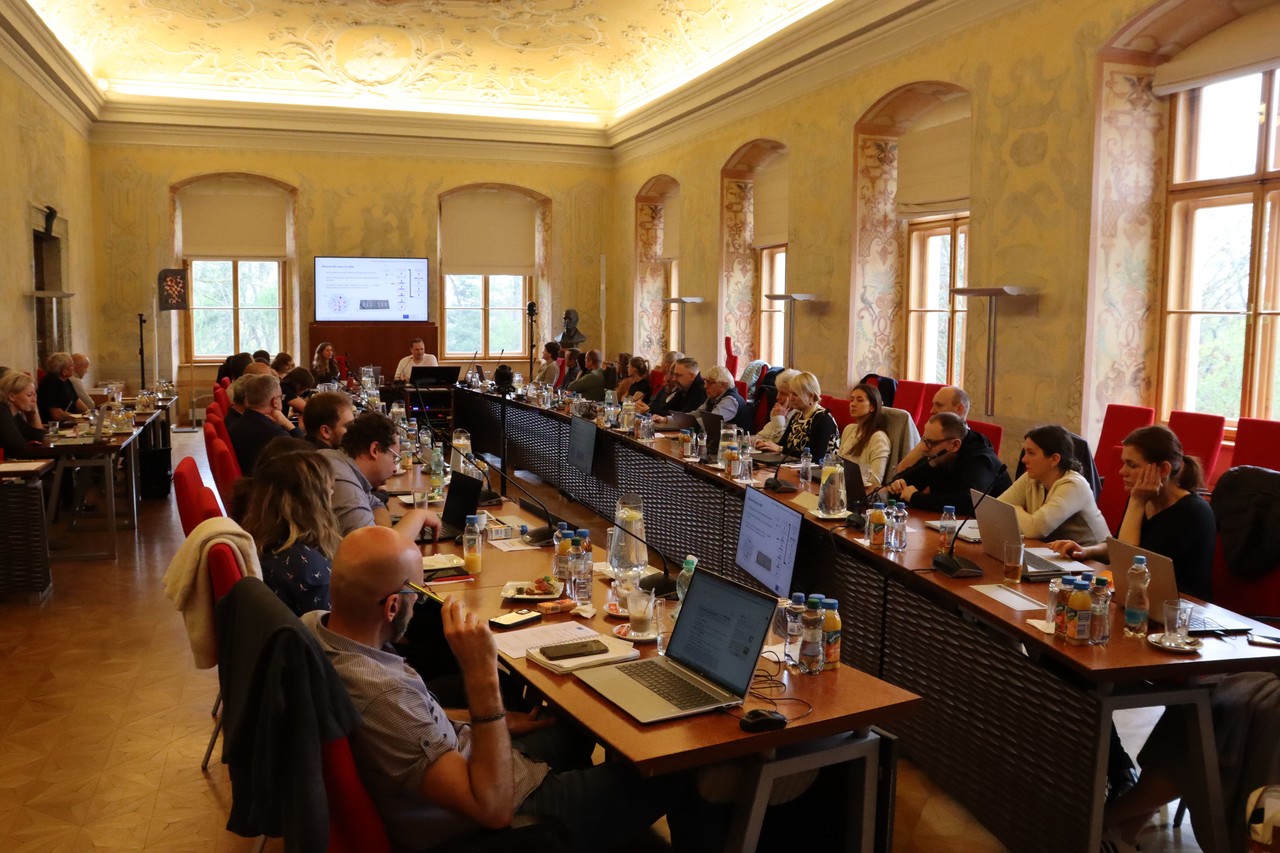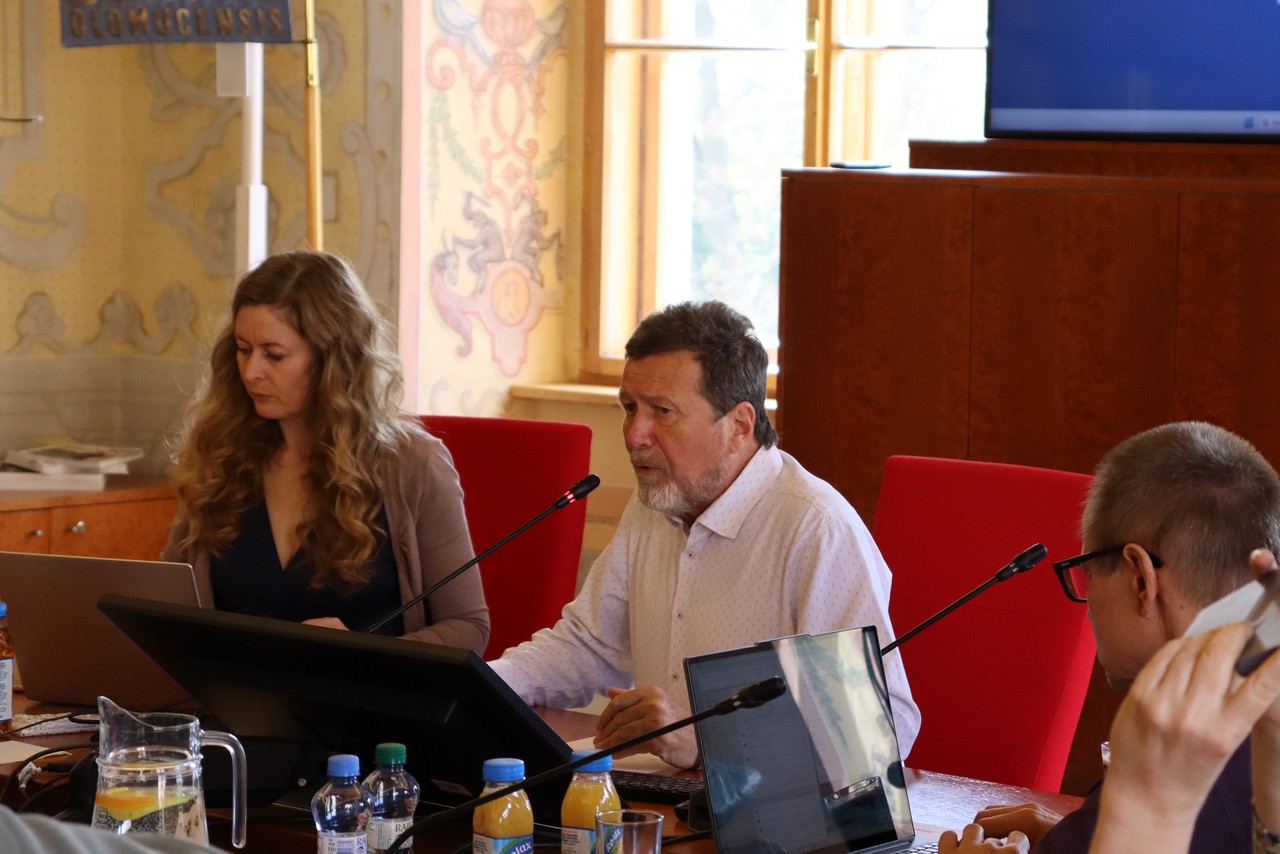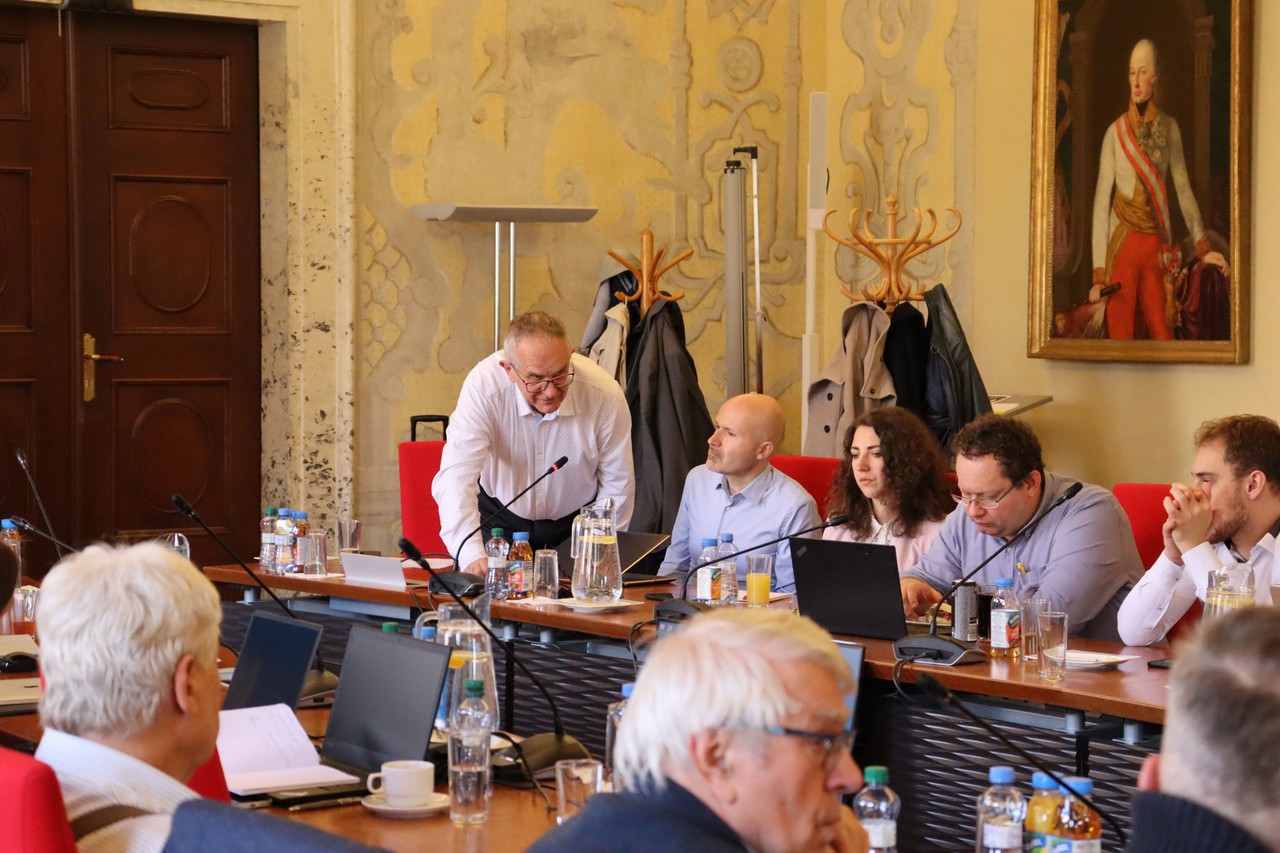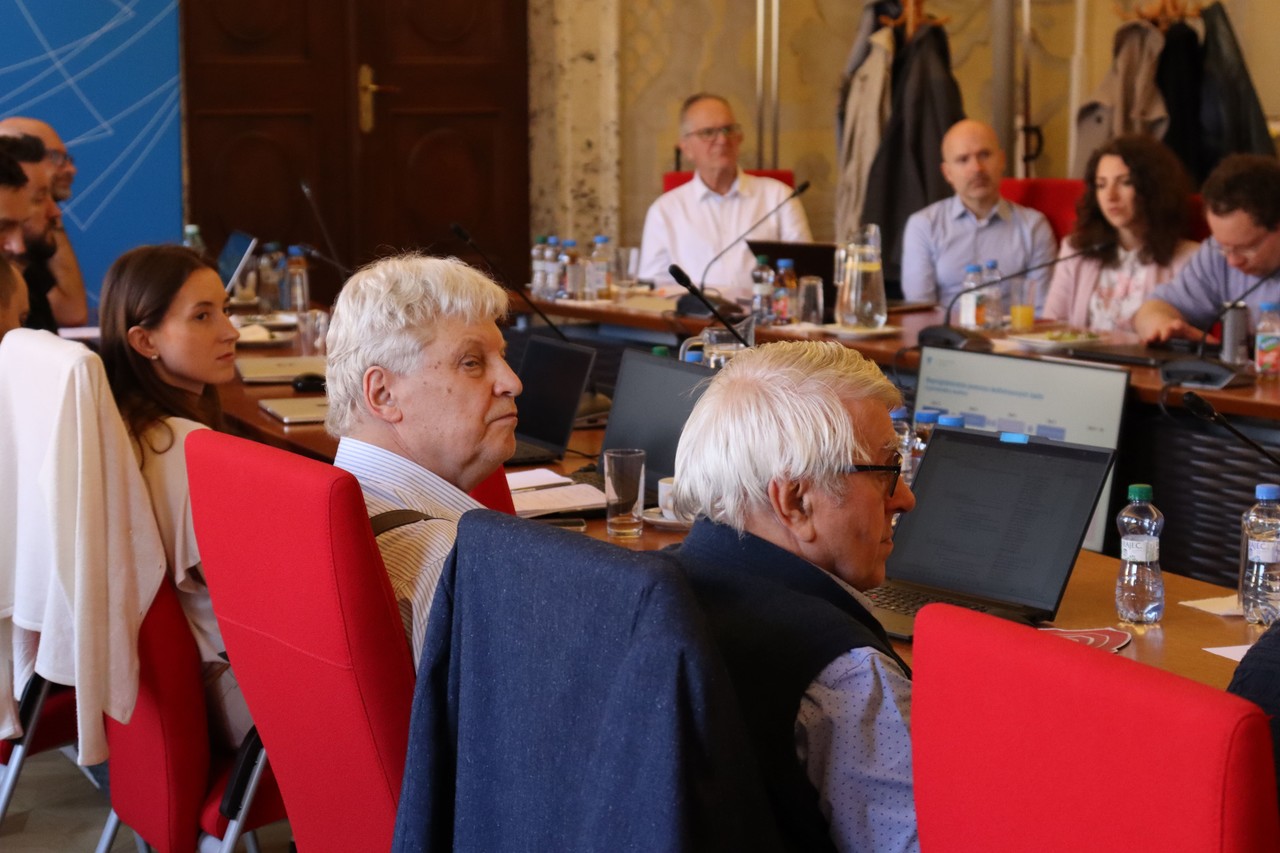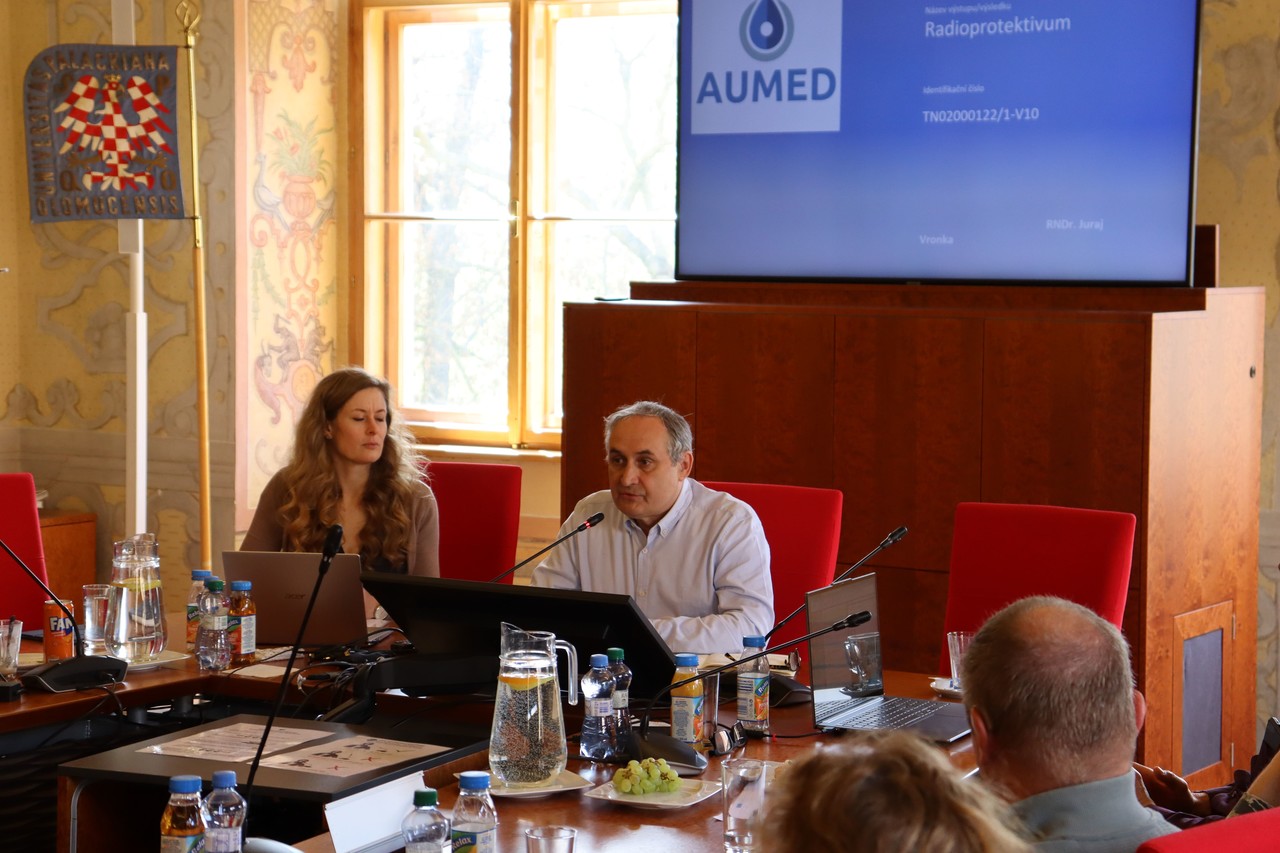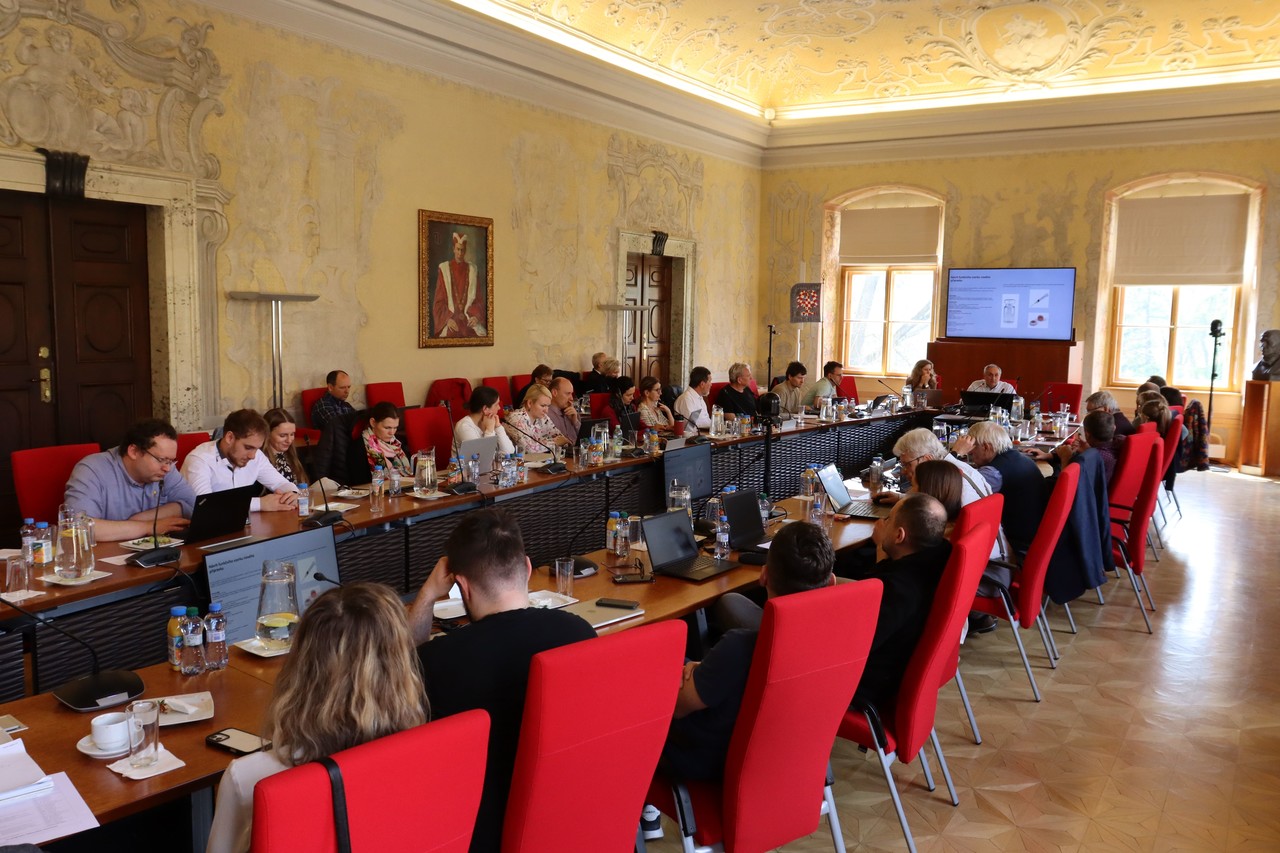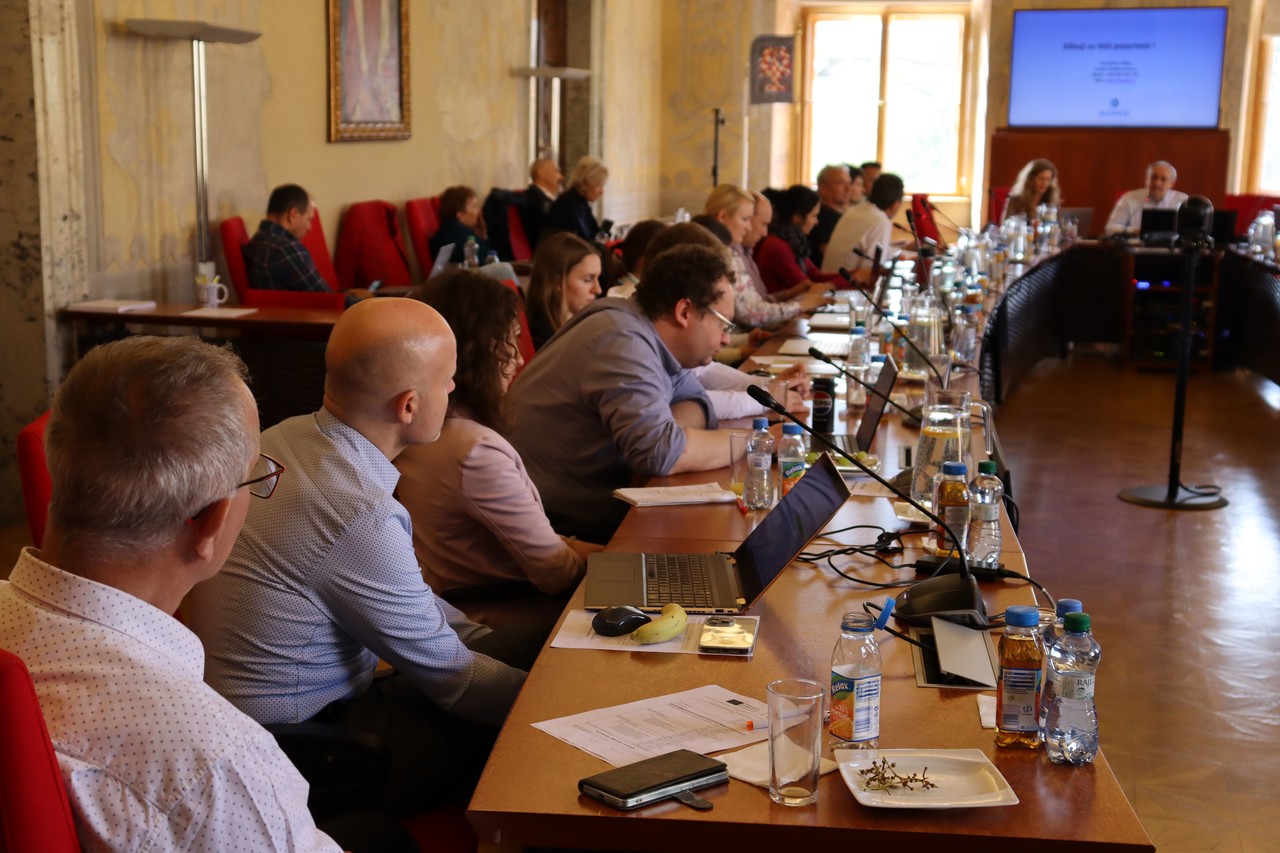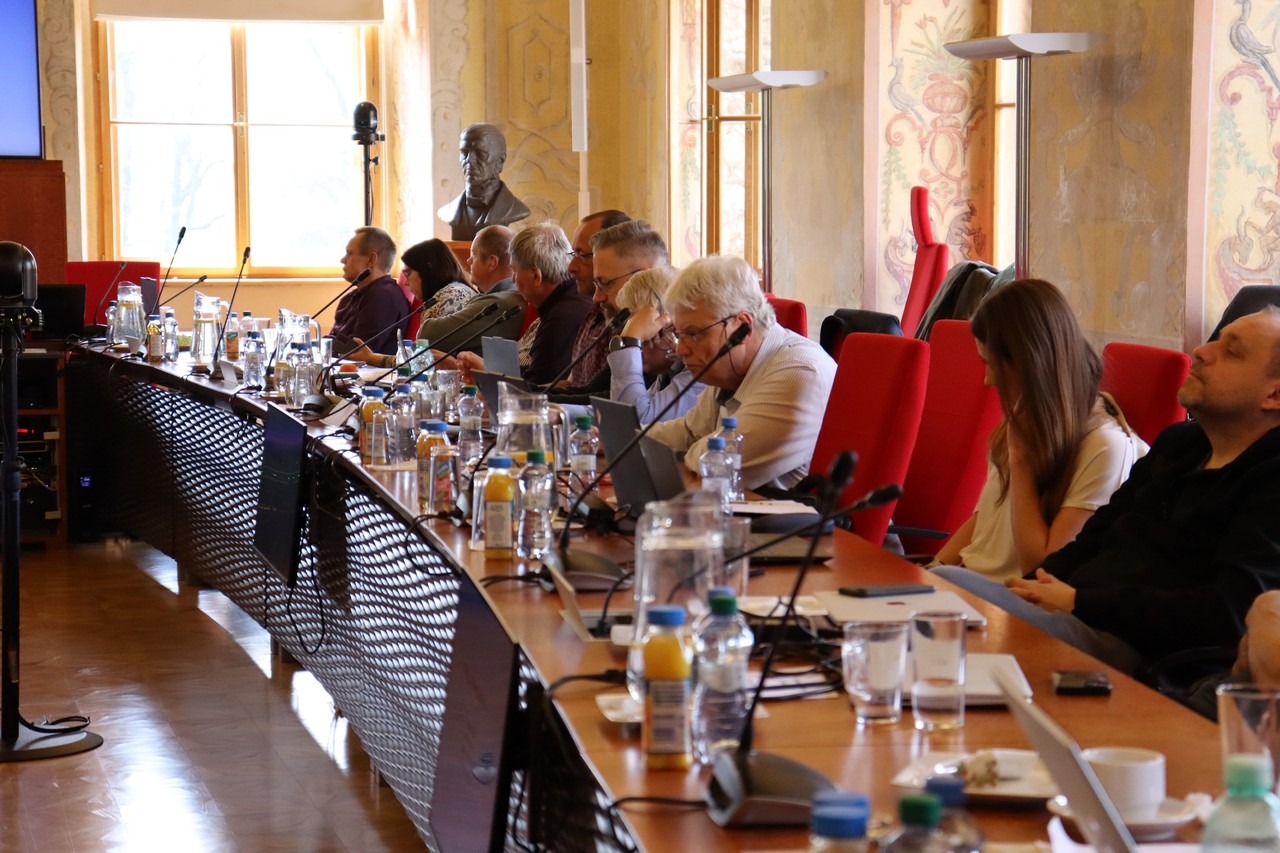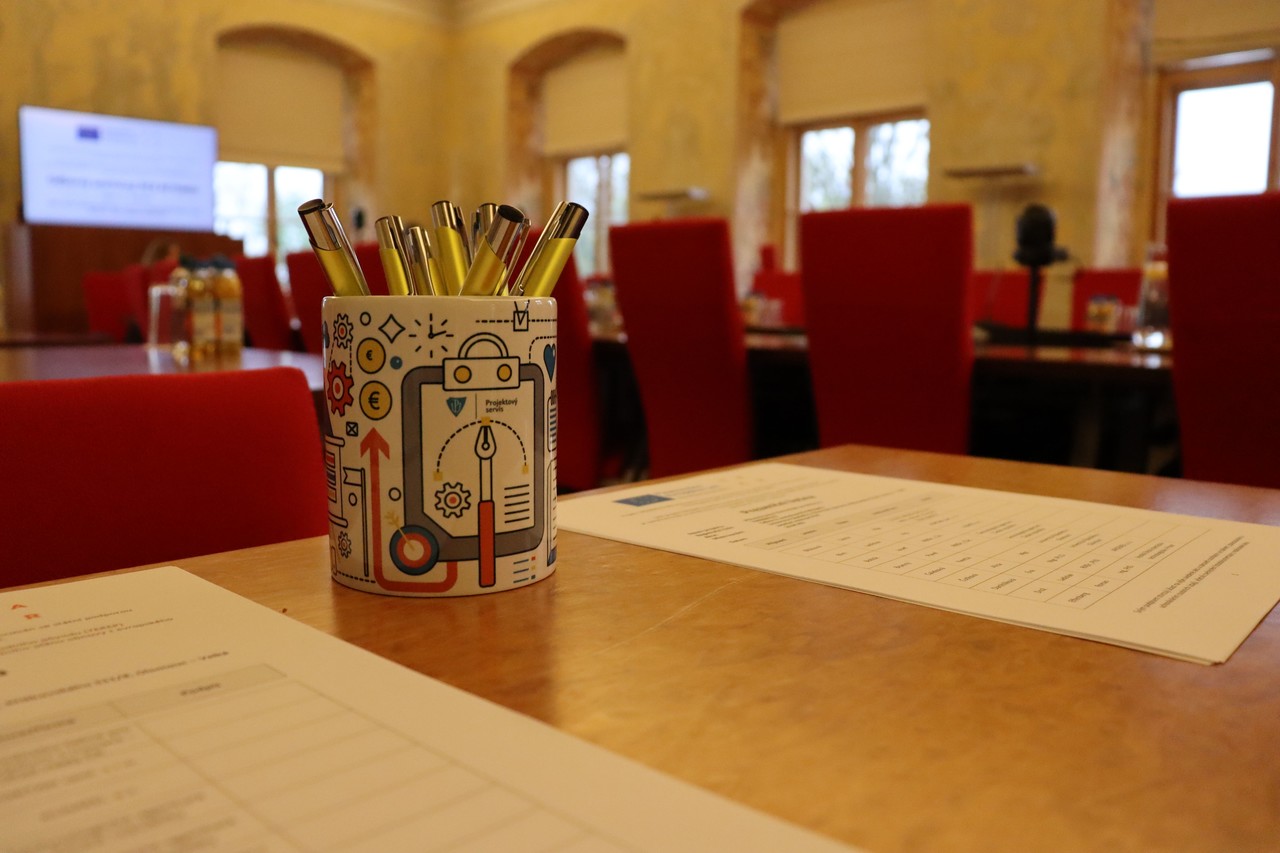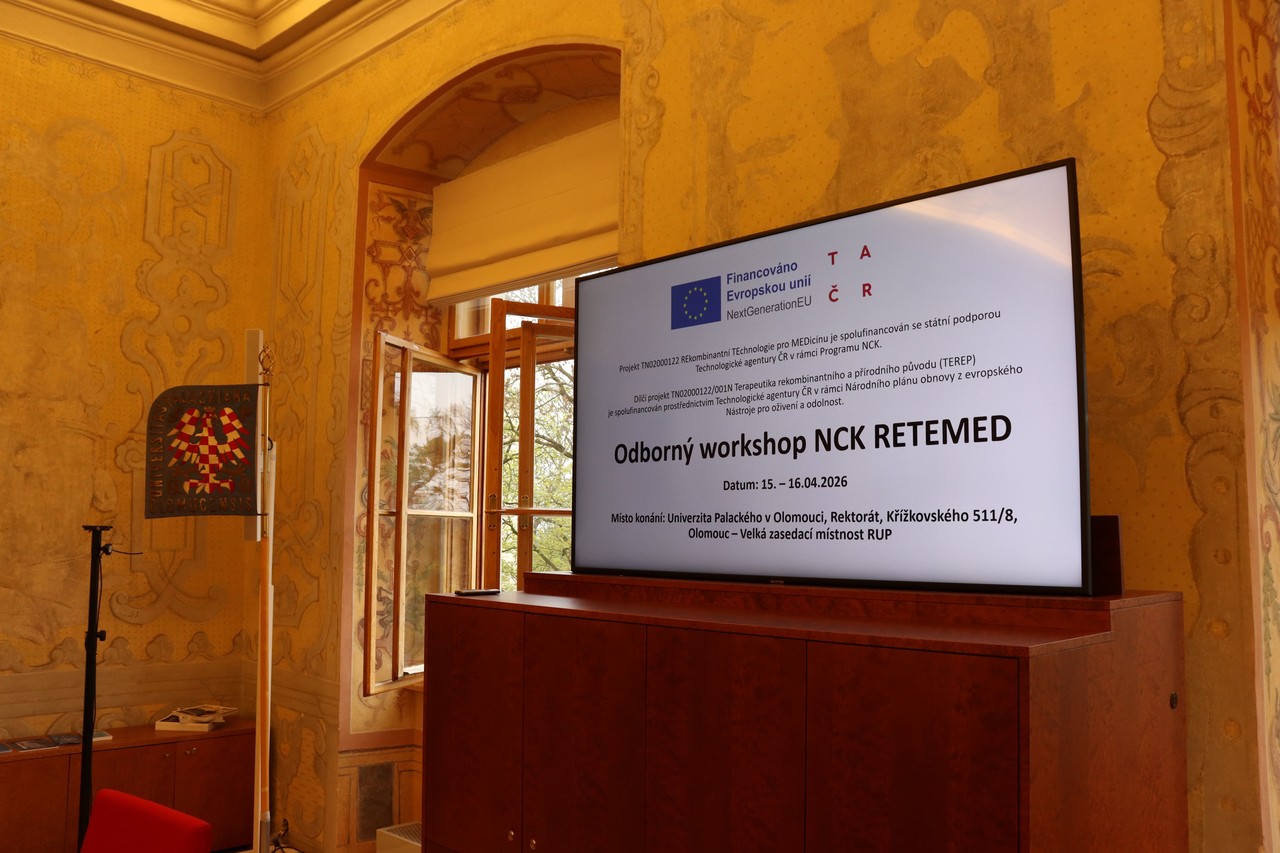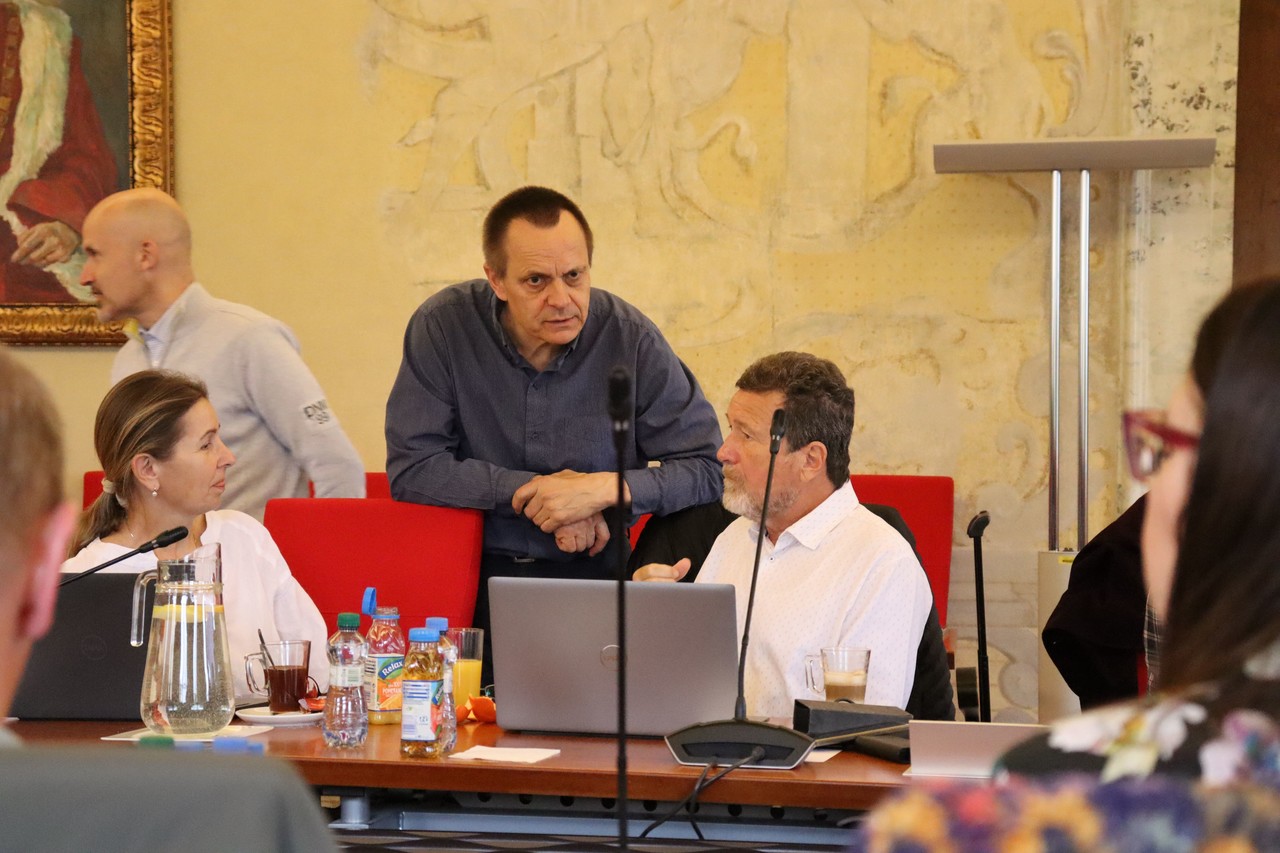
The fifth technical workshop of the TA ČR NCK RETEMED (REcombinant TEchnology for MEDicine) once again brought consortium members to Palacký University in Olomouc. The two-day conference brought together research teams and commercial partners to share their findings and experiences to date. The highlight of the program was a discussion on the sub-project TEREP, which is currently approaching its final phase.
The prestigious premises of the UP Rectorate hosted this conference in April (this year on April 15–16, 2026) for the second time. The meeting was attended by representatives of scientific research institutions as well as the commercial sector. It is precisely their close interaction and expert discussion that are the fundamental prerequisites for successful cooperation and the strategic direction of the entire project.& An important item on the agenda was a detailed discussion of the TEREP project, which will conclude in less than two months, with scientists currently finalizing the results achieved. As part of TEREP, which is an extension of the RETEMED project, research teams are working on, for example, the development of a system for predictive diagnostics.
The expert workshop was organized as an output of the Management and Strategy subproject (TN02000122/005) and focused on presenting progress in individual expert sections:
TN02000122/001 Biosensors for the early detection of serious diseases,
TN02000122/002 Development of recombinant vaccines for human and veterinary applications,
TN02000122/003 Immunomodulatory and anticancer products,
TN02000122/004 New treatments for stroke,
TN02000122/001N Therapeutics of recombinant and natural origin (TEREP)
Researchers have made significant progress in the field of genetically modified cell lines for antigen production, the development of products from snake venoms for pharmaceutical use, and the preparation of a recombinant vaccine against cryptosporidiosis (a globally widespread intestinal protozoan infection affecting humans and animals). At this stage of the project, the discussion focused primarily on the plan for the applicability of the results, that is, on specific strategies for transferring scientific knowledge from the laboratory environment to clinical practice and real-world use in medicine. Shortly before the project’s completion, there is satisfaction with the outputs to date. “The presentations show that we are moving toward the goals we have set. The part of the report regarding the TEREP project, where we are preparing to finalize individual results, was very important. And it appears that the vast majority will be completed on schedule as planned,” said the project’s principal investigator, Prof. MUDr. Mgr. Milan Raška, Ph.D., head of the Department of Immunology at the University Hospital in Olomouc. The quality of the entire team’s work is also evidenced by the fact that the researchers had limited time to carry out the project. “Today and yesterday we saw that the research activities, at least in my opinion, correspond to what we planned, and that we are moving forward. And I consider that to be key,“ added Professor Raška.
Therapeutics of Recombinant and Natural Origin (TEREP), TN02000122/001N
The TEREP project is an extension of the RETEMED project, enabling the effective use of the infrastructure and human resources of all teams within the RETEMED project consortium. The following research subtopics are addressed within this subproject:
System for predictive diagnostics
Safe radioprotective agent – Preventive program to increase the resistance of synthetic and natural radioprotective agents
Genetically modified specialized prokaryotic and eukaryotic cell lines for the production of recombinant antigens in bioreactors
Snake venom products for dermatology, pharmacy, and the preparation of antiserums against snake bites
Recombinant vaccine against cryptosporidiosis
Biotherapeutics engineering: engineering of recombinant proteins for diagnostics and therapy
Subproject TN02000122/001N Therapeutics of Recombinant and Natural Origin (TEREP) is co-financed by the Technology Agency of the Czech Republic under the National Recovery Plan from the European Recovery and Resilience Facility.
An equally important aspect of the conference was the intensive discussion and networking. Internal communication among participants is one of the priority goals of the National Competence Center (NCK). The workshop confirmed that sharing experiences generates new ideas and innovative proposals that would not have emerged without direct interaction among partners. This benefit was also highlighted by Mgr. Gabriela Pokorná, director of the UP Project Service: „Interaction between teams really works, and new ideas are born here. This is precisely the goal that gives meaning to the existence of the National Competence Center and explains why it should continue to function in this way.“ The project thus fulfills its essence – it integrates leading research centers (established under the OP VaVpI and OP VVV programs) and creates a stable platform for the development of advanced analytical methods, diagnostics, and therapeutics. The project’s ambitious goals include not only the treatment of infectious and inflammatory diseases, but also strategic initiatives such as the revitalization of the Institute of Serums and Vaccines and the development of a mobile container system for the emergency production of vaccines in crisis situations.
The project Recombinant Technology for Medicine (RETEMED) is being implemented by the Faculty of Medicine at Palacký University in cooperation with the UP Project Service.
Abstract: Creation of a center of excellence to realize the application potential in the field of recombinant drug development through the integration of research centers established under the OP VaVpI and OP VVV programs. Establishment of a research platform for the development of the Czech biotechnology and pharmaceutical industry and the revitalization of the Institute of Serums and Vaccines. Development of recombinant proteins, molecular adjuvants, and delivery systems for the production of vaccines and therapeutics in the treatment and prevention of infectious diseases, allergies, cerebrovascular and inflammatory diseases, and the development of advanced analytical and diagnostic methods using nanomaterials. Development of a comprehensive container-based mobile system for vaccine production in emergency situations (disasters, military operations, etc.).
Project TN02000122 Recombinant Technologies for Medicine is funded by the Czech Technology Agency under the NCK Program.
Photo Gallery: