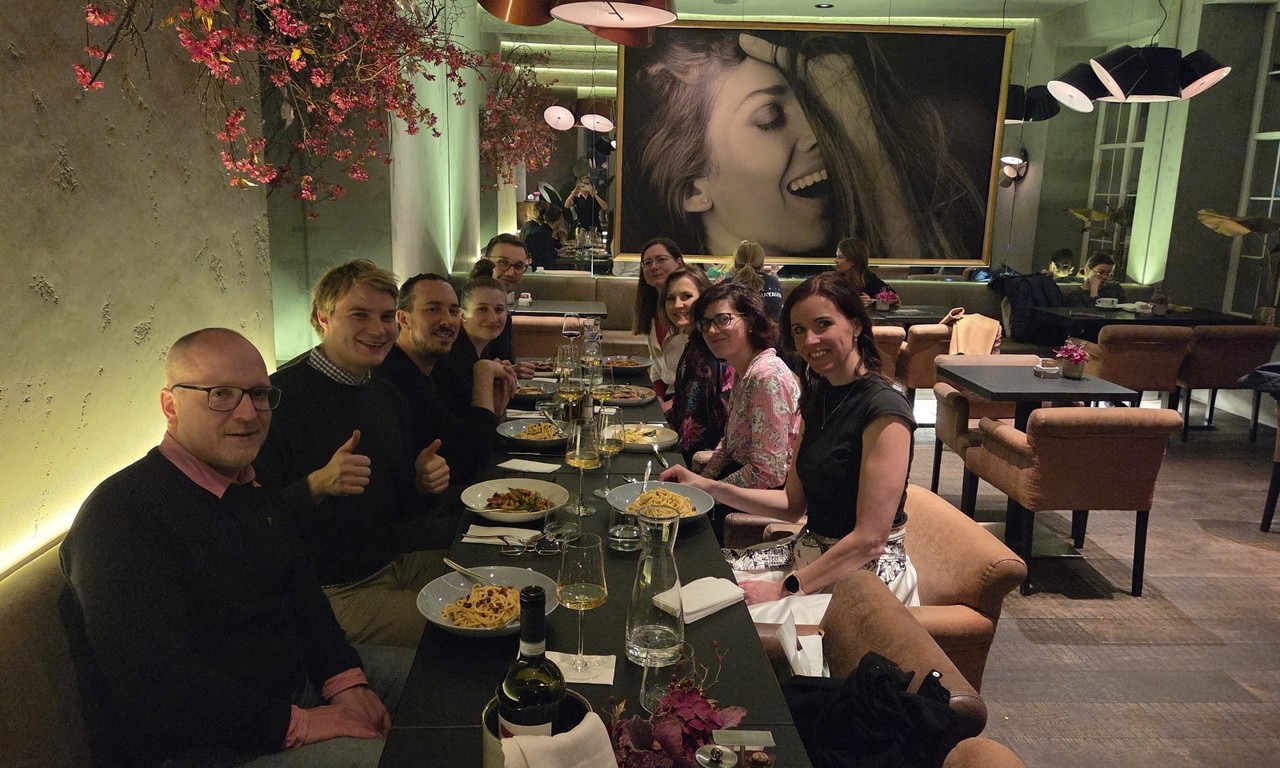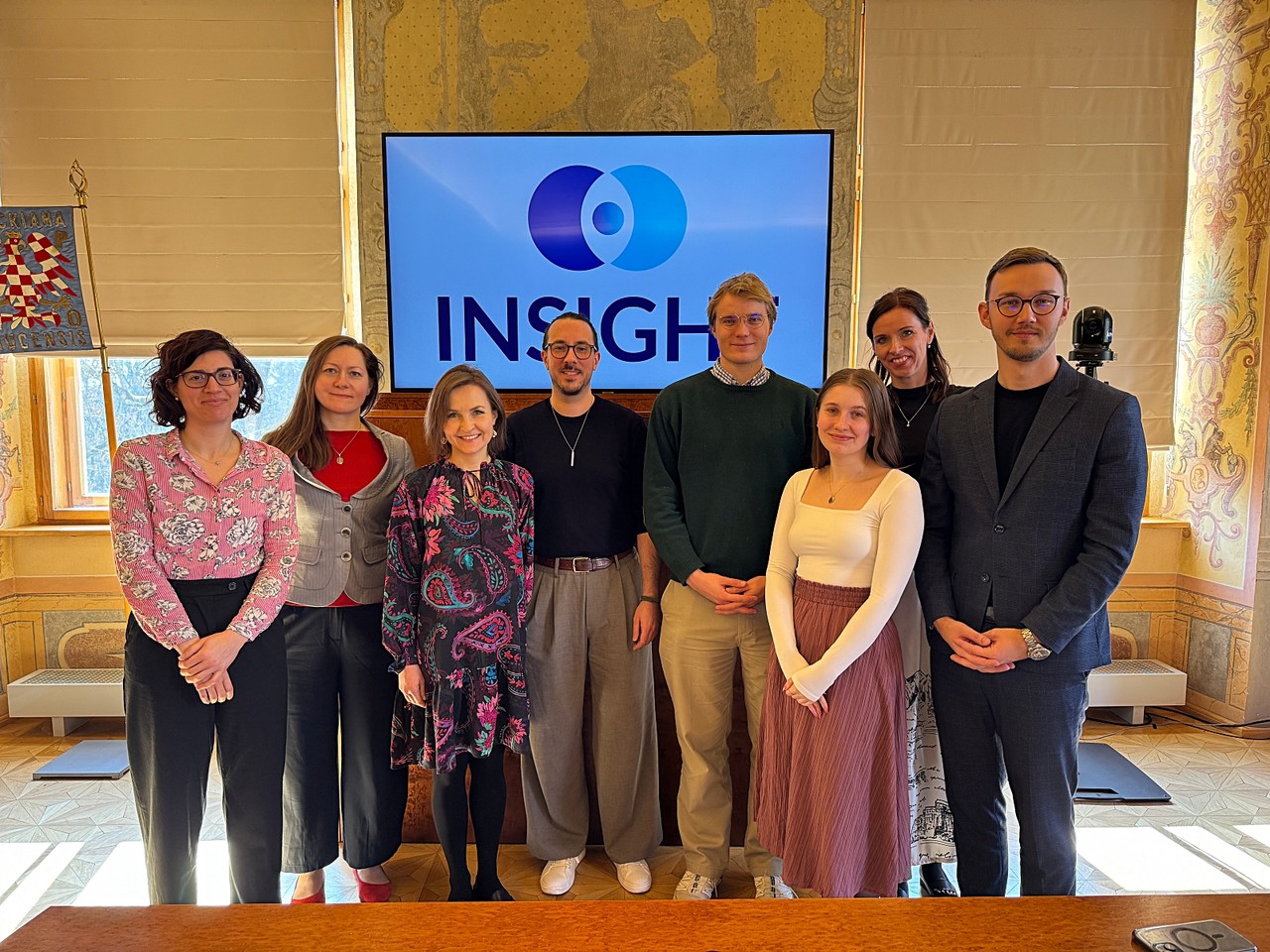
A three-day intensive training programme on innovative well-being practices took place at Palacký University Olomouc as part of the European KA220-HED project INSIGHT. Coordinated by the Welcome Office, the event brought together representatives and nominated participants from three consortium partners for a packed and inspiring programme in Olomouc. The training focused on strengthening professional competences, deepening institutional understanding of well-being, and facilitating the exchange of knowledge, experience, and good practice through expert-led sessions.
Participants from the University of Warsaw, the European University Foundation, and Université Paris-Est Créteil had the opportunity to explore and discuss several key themes, including:
- well-being practices and the need to balance mental and physical health;
- policies and institutional guidelines for creating a harmonious and welcoming environment;
- support systems and approaches for individuals affected by distress, including both students and staff;
- preventive practices and workshops addressing distress at both local institutional and international levels.
Alongside productive discussions, the programme also highlighted successful institutional initiatives and reflected on evolving trends in the field of well-being.
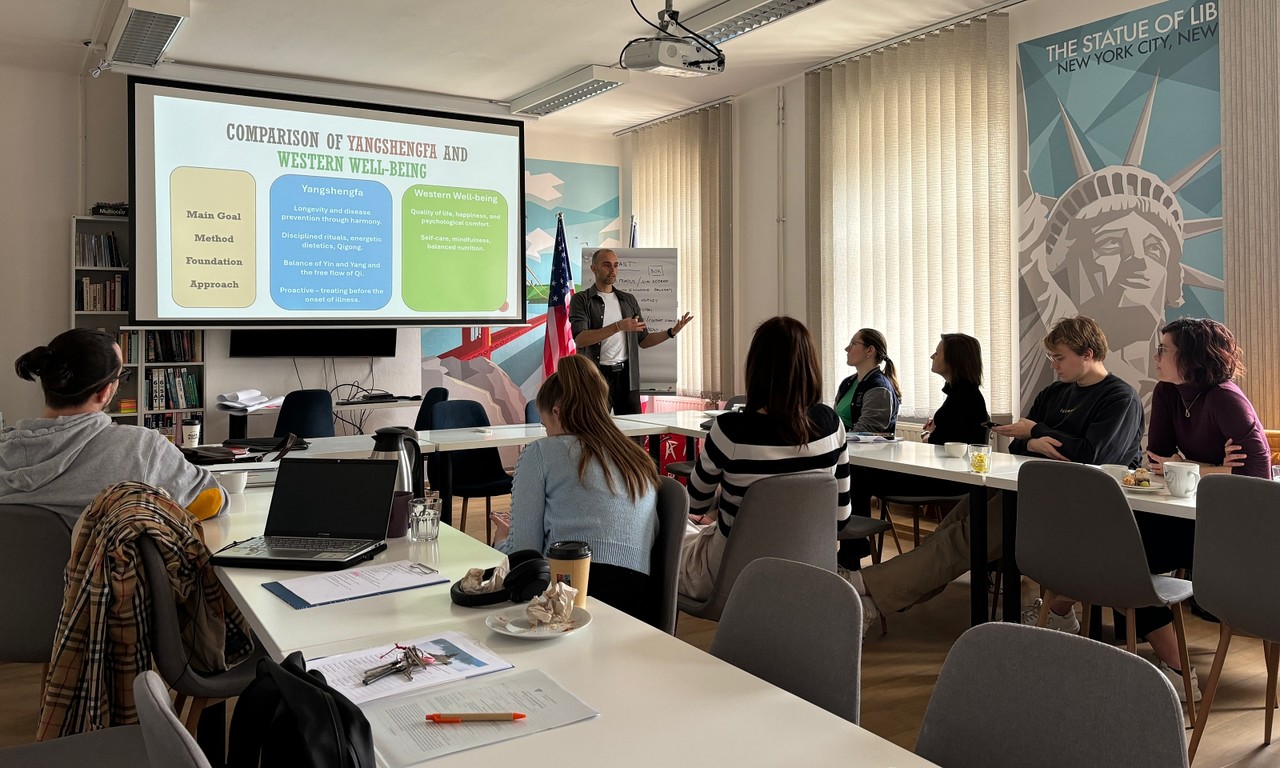
One of the highlights of the training was the opportunity to experience Eastern approaches to mental harmony through Yang Sheng Fa techniques presented by Zdeněk Chmelka, a long-standing lecturer with decades of experience. Participants explored self-massage techniques, relaxing movement-based practices, and recommendations for achieving a healthier work-life balance.
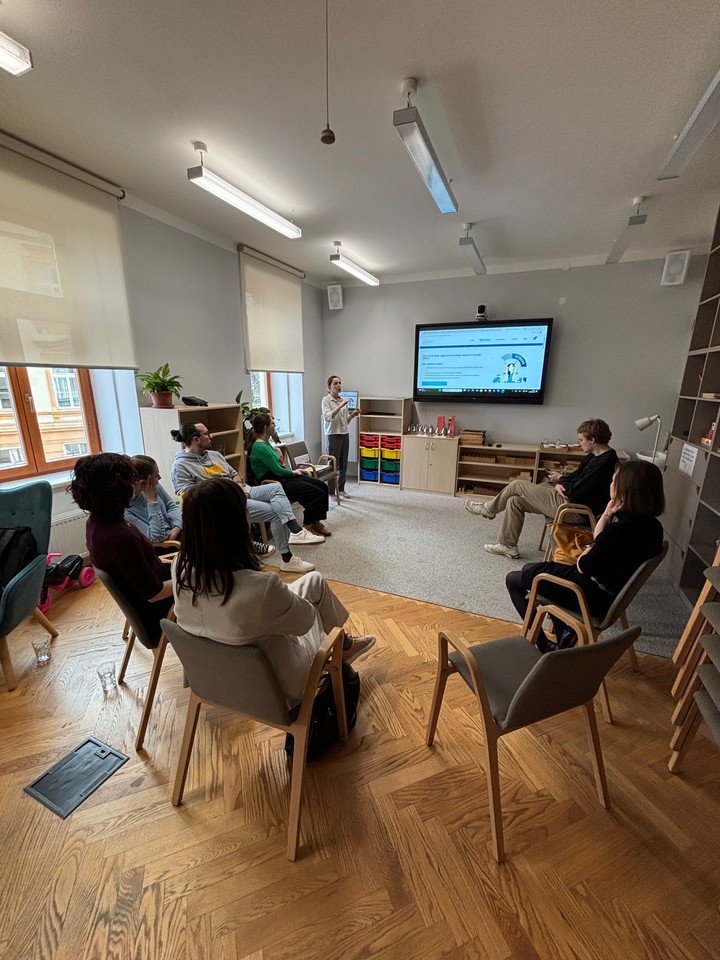
Later that day, participants visited the Olomouc University Social Health Institute, a psychological centre of Palacký University Olomouc operating under the Sts Cyril and Methodius Faculty of Theology. The institute not only provides psychological support, but is also actively involved in high-impact research and offers lectures, seminars, and credit-bearing courses within the university curriculum. Eva Migal’ová introduced the department and its core initiatives and delivered a practice-oriented lecture on motivational interviewing. Participants gained valuable insight into how to address difficult topics with colleagues and how to provide meaningful and comprehensive support to those in need.
“The session on motivational interviewing was very educational and could be a helpful strategy for communication within a team.” — study visit participant
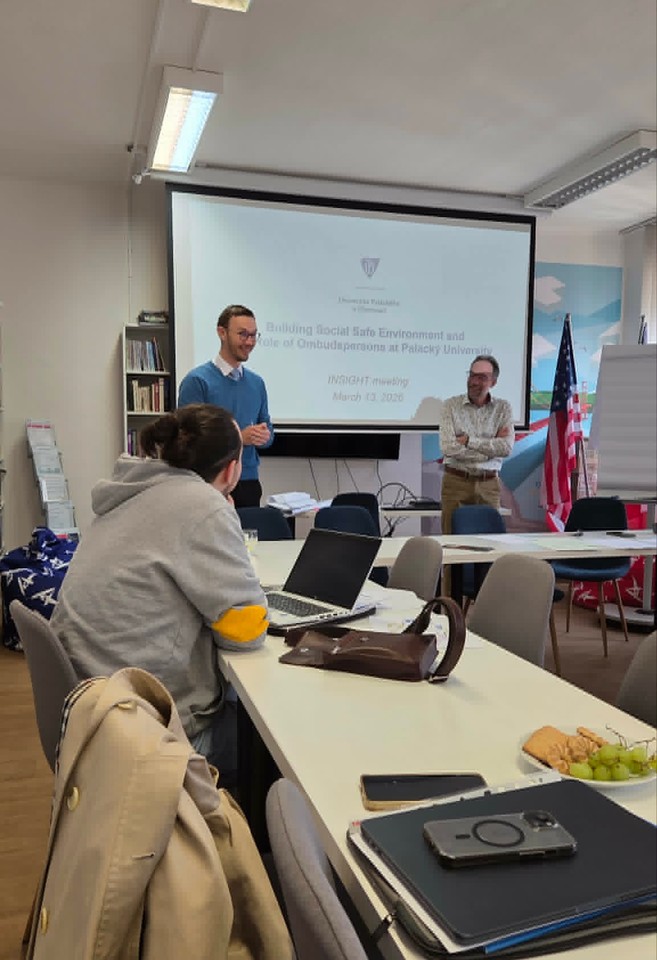
Another part of the programme was devoted to mock mediation and intervention exercises, in which participants engaged with situations involving distress caused by a lack of social and cultural belonging. This session was led by the university ombudsperson, Jaroslav Šotola, who presented model solutions and case studies. Participants also had the opportunity to reflect on and share their own experiences with advocacy and mediation.
“The discussion with the ombudsperson was interesting, as it showed that each higher education institution approaches this role differently, whether through internal or external recruitment.” — study visit participant
Building on the outcomes of the study visit and similar programmes, the organisers believe that both academic and non-academic communities can become more integrated, more welcomed, and more at ease within respectful university environments. All participants in the study visit will transfer the knowledge gained to their home institutions and incorporate these newly acquired theoretical perspectives into their daily institutional practice, as well as into the organisation of future university activities.
“I found it particularly valuable that institutions actively support staff through flexible working conditions, regular reflection on workload, and access to training that fosters both professional growth and personal well-being.” — study visit participant
Project INSIGHT is implemented within the Erasmus+ programme, KA220-HED. Funded by the European Union.